




State's Pot Prohibition Could Soon Go Up in Smoke
Friday, May 27, 2016 | 0
Ohio will become the 26th state to legalize medical marijuana if Gov. John Kasich follows the legislature’s lead and signs off on a bill passed Wednesday.
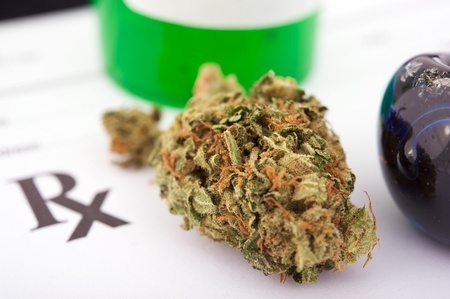 There are caveats, however: Ohio residents still could not smoke marijuana (the approved uses are only in vapor, oil, patch, edibles and plant material form); could not grow it at home; and could be fired or disciplined for testing positive for pot at work.
“We’re not talking about money,” state Sen. Kenny Yuko told the Toledo Blade. “We’re not talking about monopolies. We’re talking about changing lives all over Ohio. … We can’t deprive these patients what we have any longer.”
The Senate voted across party lines 18-15 to send the revised bill to the House, which approved it 67-28.
Under the measure, Ohio would create a tightly controlled system to grow, process, test and dispense marijuana to patients who have state registration cards, and recommendations from state-approved physicians.
Sen. Jay Hottinger voted against legalizing medical marijuana, on health grounds.
“In my opinion, the list [of health conditions] that is enumerated is too broad,” he told the Toledo Blade. “We all know marijuana continues to be a Schedule 1 drug, a federally banned substance. … There is not ample enough evidence, medical research, medical data, as to what ailments potentially are benefited from the use of medical marijuana.”
Many proponents of the measure favor a more liberal legalization. Ohioans for Medical Marijuana and the Washington-based Medical Marijuana Project are pitching a constitutional amendment that would allow patients to smoke and grow pot.
Twenty medical conditions would qualify for medical marijuana. They include AIDS and HIV, amyotrophic lateral sclerosis, cancer, Crohn’s disease, epilepsy or other seizures, glaucoma, multiple sclerosis, sickle-cell anemia and Alzheimer’s disease.
The measure is a Catch-22 for workers, who can be fired if they test positive for marijuana, even under a doctor’s orders. The legislation implies that employees injured on the job are at fault for being under the influence of pot and, thus, are ineligible for unemployment compensation, the newspaper reported.


Comments